
Return-to-Play Assessment Techniques for Professional Athletes

Return-to-Play Assessment Techniques for Professional Athletes

Discover effective Return-to-Play Assessment Techniques for Professional Athletes to ensure a safe and timely transition back to competition. This resource provides insights into best practices, protocols, and key considerations for evaluating athlete readiness.

What biomechanical assessments are most effective in evaluating an athlete's readiness to return to play after a lower extremity injury?

Biomechanical assessments that effectively evaluate an athlete's readiness to return to play after a lower extremity injury include motion analysis, strength testing, and functional movement screenings. Motion analysis involves using high-speed cameras or wearable sensors to track the athlete’s movements, helping identify any abnormal gait patterns or joint angles during activities like running or jumping. Strength testing measures the muscle power in both legs through exercises such as single-leg squats and hop tests, allowing professionals to compare injured versus non-injured limbs for asymmetries that could lead to re-injury. Functional movement screenings assess overall coordination and balance by observing how well athletes perform various tasks like lunges, step-ups, or agility drills; this helps ensure they can safely handle sport-specific demands without risking further damage. Additionally, proprioception tests gauge an athlete's body awareness and stability on unstable surfaces which is crucial post-recovery. Collectively analyzing these biomechanical factors provides a comprehensive view of an athletic individual's physical capabilities while addressing neuromuscular control essential for successful reintegration into competitive sports following recovery from injuries such as ACL tears or ankle sprains.

Advanced Shoulder Mobilization Therapy can significantly enhance your range of motion and reduce pain in the shoulder region. By exploring this therapy, you will gain insights into effective techniques that promote healing and mobility. To learn more about how Advanced Shoulder Mobilization Therapy can benefit you, visit evidence-based methods for successful athlete rehabilitation

How do psychological evaluations factor into the Return-to-Play decision-making process for professional athletes recovering from concussions?

Psychological evaluations play a crucial role in the Return-to-Play decision-making process for professional athletes recovering from concussions, as they assess cognitive function, emotional well-being, and overall mental health. These evaluations often include standardized tests that measure memory, attention span, and problem-solving skills to identify any impairments resulting from the head injury. Additionally, psychologists may conduct interviews or questionnaires to explore symptoms of anxiety, depression, or post-concussion syndrome that could affect an athlete's readiness to return safely to their sport. By integrating neuropsychological assessments with physical examinations conducted by medical professionals such as neurologists or athletic trainers, teams can develop a comprehensive understanding of how a concussion has impacted an athlete’s psychological state. This multi-faceted approach ensures that decisions regarding clearance for full participation are made based on objective data rather than solely subjective feelings about recovery. Furthermore, ongoing monitoring through follow-up evaluations helps track changes over time and provides valuable feedback during rehabilitation efforts; this collaborative effort among sports medicine experts emphasizes not just physical recovery but also the importance of mental resilience in achieving optimal performance levels upon returning to competition after sustaining brain injuries like concussions.

In what ways do functional movement screens contribute to understanding an athlete’s overall recovery status and risk of re-injury before returning to competition?

Functional movement screens play a vital role in assessing an athlete's overall recovery status and potential risk of re-injury prior to returning to competition. By evaluating fundamental movement patterns, such as squatting, lunging, and balancing exercises, these screenings provide insight into the athlete’s mobility, stability, strength balance, and neuromuscular control. Through careful observation of joint range-of-motion deficits or compensatory movements that may arise from previous injuries or imbalances in muscle activation patterns—often referred to as kinetic chain deficiencies—coaches and trainers can identify specific areas needing improvement before the athlete resumes high-intensity training or competitive activities. Moreover, functional movement screens integrate various aspects including proprioception (the sense of body position), core stability evaluation through dynamic assessments like single-leg stands or agility drills which are crucial for ensuring optimal biomechanics during sport-specific tasks. The data collected allows practitioners to develop tailored rehabilitation programs focused on enhancing muscular endurance while minimizing stress on injured tissues by gradually increasing load over time; this systematic approach not only aids in expediting recovery but also significantly reduces the likelihood of subsequent injuries related to improper form due to inadequate readiness levels post-recovery phase. Therefore, employing functional movement screens is essential for establishing a baseline functionality upon which athletes can confidently return with reduced risk factors associated with re-injuries following their initial treatment period.

What role does isokinetic strength testing play in assessing muscle performance during the Return-to-Play protocol for upper body injuries in sports like football or basketball?

Isokinetic strength testing plays a crucial role in evaluating muscle performance during the Return-to-Play protocol for upper body injuries in sports such as football and basketball. This form of assessment measures an athlete's ability to generate force at a constant speed, allowing healthcare professionals to quantify muscle power, endurance, and overall function while minimizing the risk of further injury. By using specialized equipment that controls movement velocity—like isokinetic dynamometers—clinicians can analyze concentric and eccentric contractions, providing valuable insights into muscular imbalances or deficiencies that may have developed during recovery from an injury like a shoulder strain or elbow ligament tear. Furthermore, these tests help establish objective benchmarks for rehabilitation progress by comparing injured limbs against non-injured ones; this comparison ensures athletes regain sufficient strength levels before returning to high-impact activities where explosive movements are essential. The data collected from isokinetic assessments contribute significantly to making informed decisions about when it is safe for players to return safely without compromising their performance capabilities or increasing susceptibility to re-injury. Overall, incorporating isokinetic strength testing enhances the efficacy of rehabilitation protocols by facilitating personalized training regimens tailored specifically towards restoring optimal upper body function while ensuring athletic readiness in competitive environments.

How can sport-specific drills be integrated into return-to-play assessments to ensure that athletes have regained their necessary skill sets post-rehabilitation?

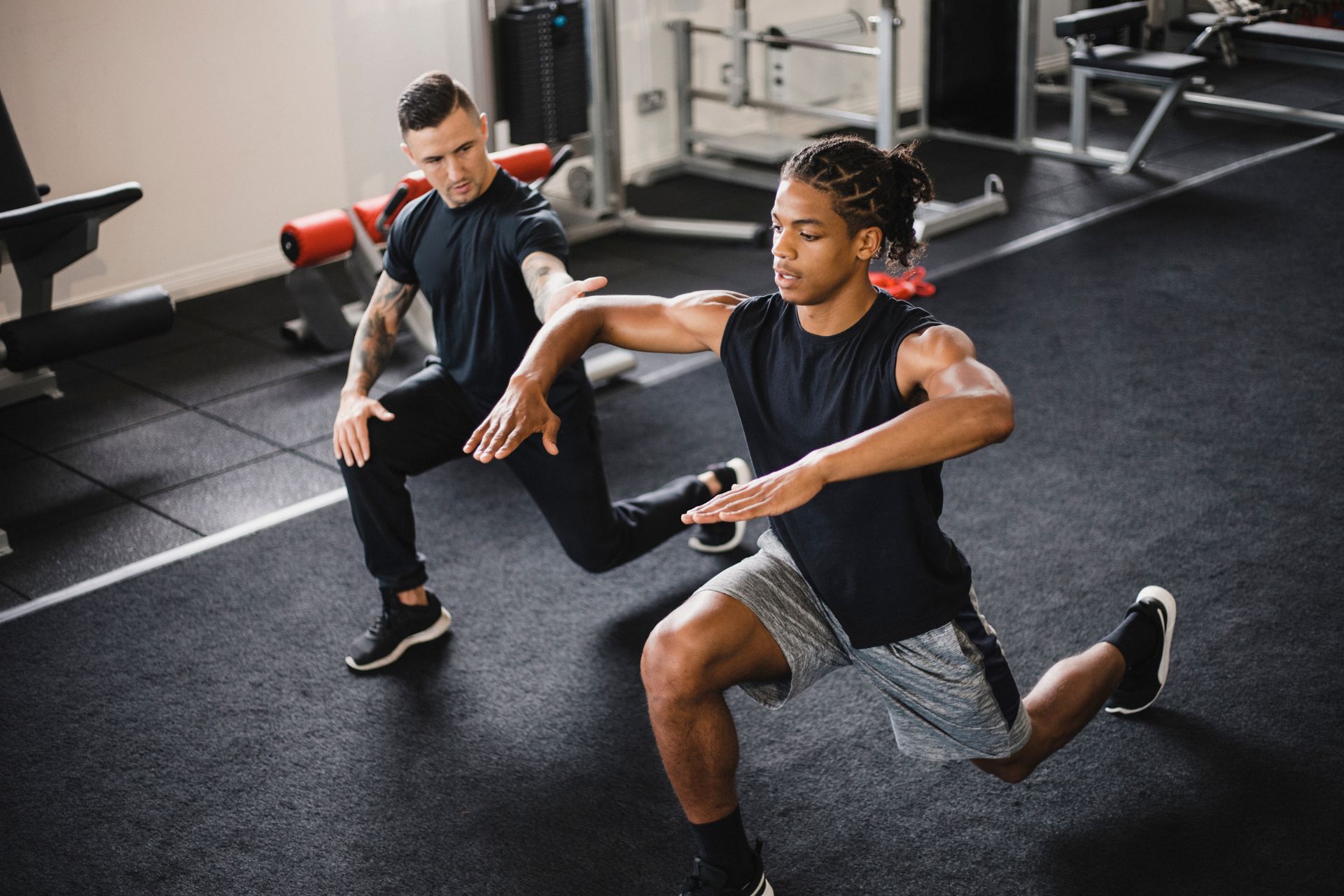
Integrating sport-specific drills into return-to-play assessments is crucial for ensuring athletes have fully regained their necessary skill sets after rehabilitation from injuries. This process involves a systematic approach where trainers and coaches design tailored exercises that mimic the actual movements, techniques, and strategies used in competitive scenarios relevant to the athlete's sport. For instance, basketball players might engage in agility drills that involve quick lateral movements while shooting or passing under simulated game conditions, which helps evaluate their functional strength, balance, coordination, and overall athleticism post-recovery. Additionally, incorporating cognitive elements such as decision-making tasks during these drills can help assess an athlete’s mental readiness alongside physical capabilities; this dual focus ensures not only a return to baseline performance but also addresses any psychological factors stemming from injury fears or anxiety about re-injury. Furthermore, utilizing measurable metrics like reaction time tests or precision scoring systems during these specific drills allows medical professionals to objectively gauge progress against normative data established prior to injury. By continuously monitoring improvement through progressively challenging variations of these sport-specific tasks—such as increasing intensity levels or complexity within practice situations—coaches can create comprehensive feedback loops that inform both training regimens and recovery timelines while prioritizing safe reintegration into competition environments where athletes are expected to perform at optimal levels with confidence in their rehabilitated bodies.

Frequently Asked Questions

The specific criteria used in functional movement screening (FMS) for assessing return-to-play readiness in athletes following a knee injury include the evaluation of fundamental movement patterns such as squatting, lunging, single-leg balance, and upper body mobility. Key assessment components focus on joint stability, muscle strength discrepancies, proprioception accuracy, neuromuscular control during dynamic movements, and overall biomechanical efficiency. The FMS utilizes scoring systems that take into account pain responses during physical exertion while also examining flexibility limitations and compensatory strategies adopted by the athlete post-injury. Additionally, assessments may incorporate tools like hop tests to measure lower extremity power output and agility drills to evaluate reaction times under fatigue conditions. Collectively, these multifaceted evaluations aim to ensure optimal kinetic chain function and minimize reinjury risks prior to returning athletes safely back into competitive sports environments.

Psychological evaluation plays a crucial role in return-to-play assessments for athletes recovering from concussions, as it helps to identify cognitive impairments, emotional disturbances, and potential psychological barriers that may hinder an athlete's safe reintegration into sports. This multifaceted assessment often incorporates standardized neuropsychological testing to evaluate memory function, attention span, processing speed, and executive functioning while also considering symptoms of anxiety or depression that can arise post-injury. Additionally, the evaluation assesses an athlete’s mental resilience and coping strategies essential for managing the pressures associated with competitive play after experiencing a concussion. By integrating findings from both physical evaluations and psychological assessments within a multidisciplinary framework—often involving clinicians specializing in sports medicine and psychology—the comprehensive approach ensures that athletes not only meet physiological benchmarks but are also mentally prepared to resume high-level performance without exacerbating their condition or increasing risk of further injury.

Biomechanical analyses serve a crucial role in evaluating an athlete's readiness to return to competition following surgery by providing objective measurements of movement patterns, force production, and joint mechanics. These assessments typically involve high-speed motion capture technology and electromyography to analyze gait dynamics, balance stability, and muscle activation levels during various functional tasks. By quantifying parameters such as kinetic loading on joints or asymmetries in limb use, clinicians can identify potential deficits that may predispose the athlete to reinjury or affect performance outcomes. Furthermore, biomechanical evaluations help guide rehabilitation protocols by informing tailored strength training regimens aimed at restoring neuromuscular control and proprioception. Ultimately, integrating these sophisticated analytical techniques into post-operative recovery ensures a comprehensive understanding of an athlete’s physical capabilities while promoting safe progression back into competitive sports environments.

Successful recovery during a sports-specific agility test following ankle sprains can be indicated by several performance metrics, including time to completion, accuracy of movement patterns, and overall stability. The assessment of dynamic balance is crucial; it reflects proprioceptive function and neuromuscular control essential for preventing re-injury. Additionally, the measurement of reaction time in response to visual or auditory cues demonstrates cognitive processing speed alongside physical capabilities. Peak force output during plyometric drills also serves as an important metric since it correlates with muscular strength and explosive power necessary for athletic performance. Furthermore, biomechanical analysis of joint kinematics provides insights into compensatory movement strategies that may arise post-injury. Collectively, these indicators contribute to a comprehensive evaluation framework guiding rehabilitation protocols toward optimal functional outcomes in athletes recovering from ankle injuries.

Technology, particularly motion capture systems and wearable devices, significantly enhances the accuracy of return-to-play evaluations by providing objective biomechanical data that quantifies an athlete's functional performance. These advanced tools utilize high-speed cameras and sensors to analyze movement patterns, joint angles, and muscle activation in real-time during rehabilitation exercises or sport-specific drills. By employing metrics such as gait analysis, kinematic assessments, and force plate measurements, clinicians can track recovery progress with precision while minimizing subjective bias inherent in traditional evaluation methods. Furthermore, wearables equipped with accelerometers and gyroscopes offer continuous monitoring of physiological parameters like heart rate variability and workload management throughout the recovery process. This integration of technology not only facilitates comprehensive assessments but also aids in tailoring individualized training regimens based on real-world data analytics to ensure a safer transition back into competitive play.
Return-to-Play Assessment Techniques for Professional Athletes

Return-to-Play Assessment Techniques for Professional Athletes

Contact Us

Alpine Physical Therapy and Fitness

  • Address: 3130 Alpine Rd Suite 370, Portola Valley, CA 94028
  • Phone: (650) 242-0777
  • Email: alpineptfit@mail.com

© Copyright - All Rights Reserved